Image












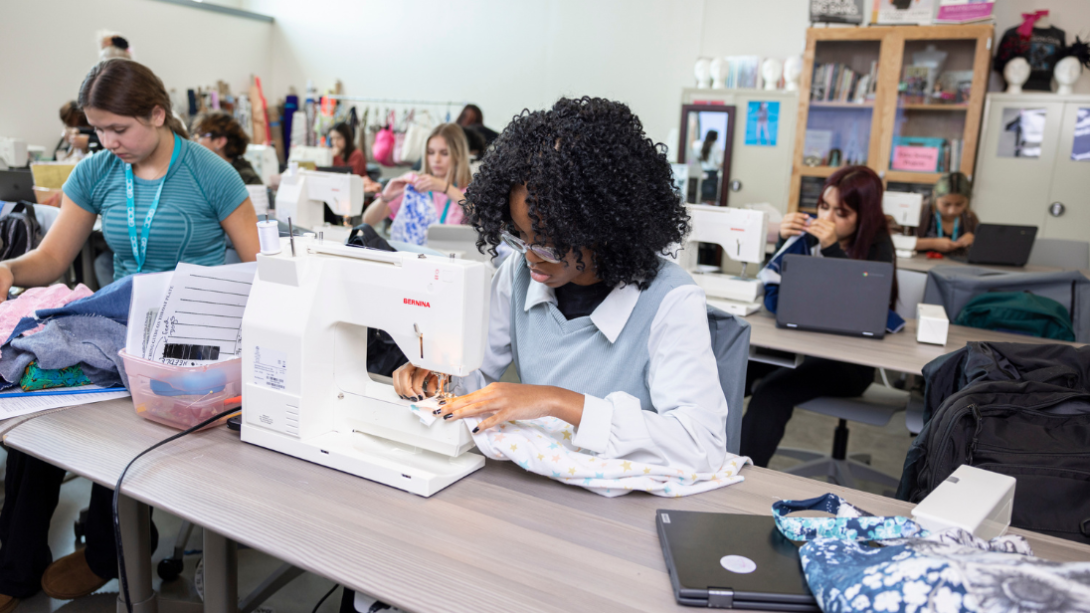
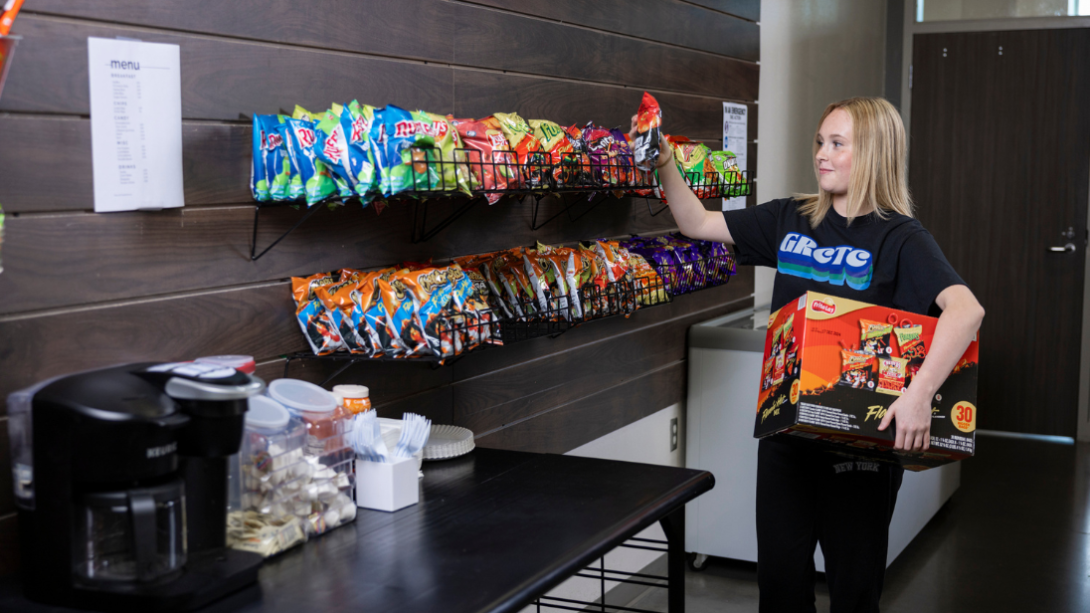
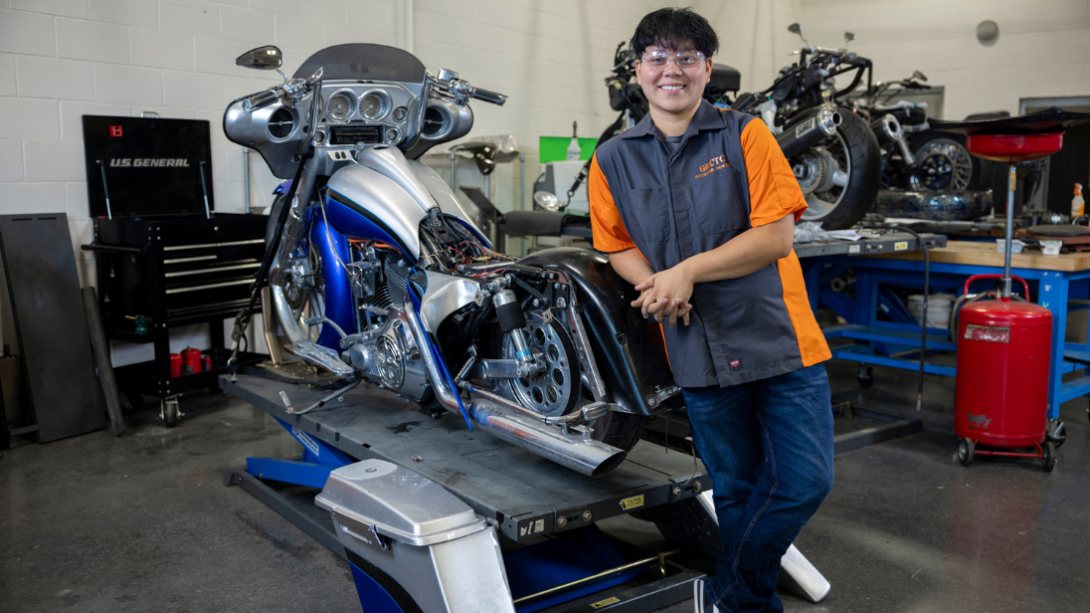
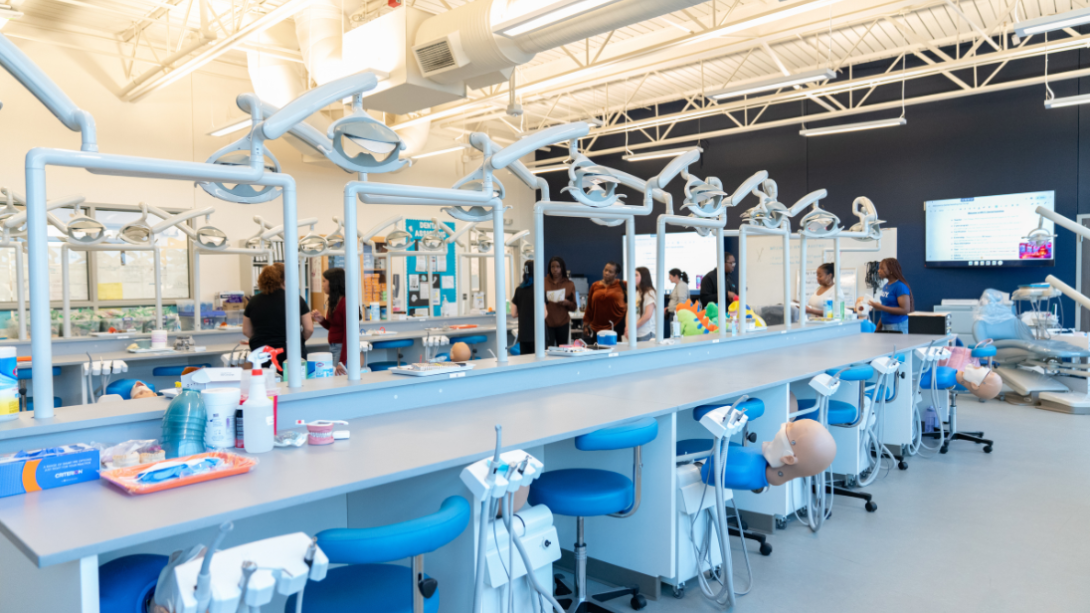
Courses are taught by industry professionals who bring real-world experience into state-of-the-art learning spaces equipped with industry-grade technology.
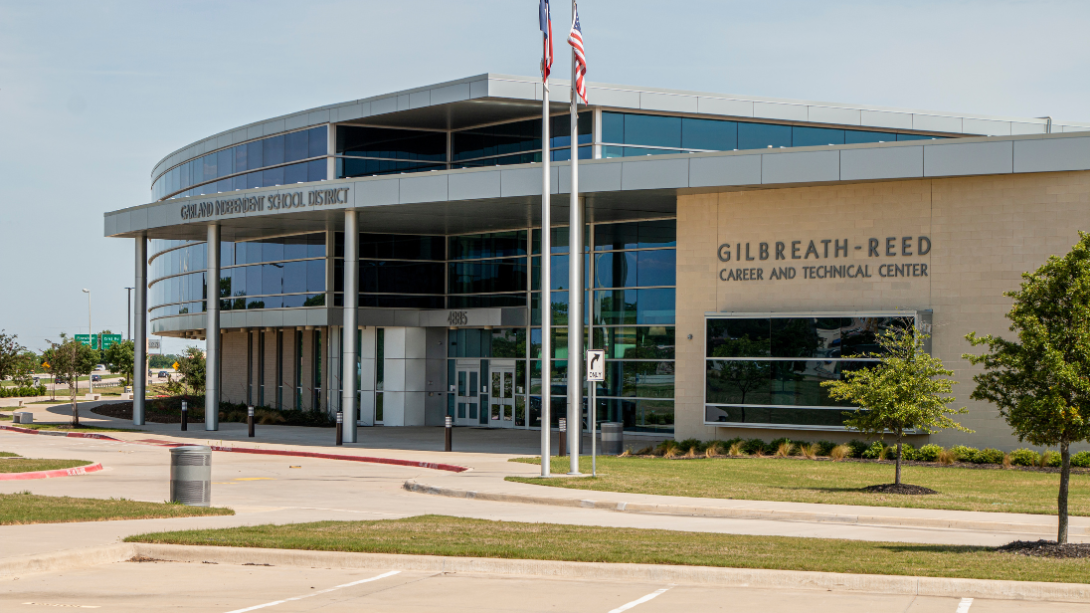
This story was originally published by the Dallas Morning News. 6 things to know about Garland ISD’s career-tech center. Photos by GISD Communications.
At the Gilbreath-Reed Career and Technical Center (GRCTC), students can test drive careers and sometimes step straight into jobs right after high school.
That matters because more than 60% of jobs in Texas require some postsecondary education or training, according to the Texas Higher Education Coordinating Board. Even though a college degree typically leads to a living wage, many families worry about how they will afford it. Career and technical training offers opportunities for living-wage jobs without the student debt often associated with a college degree.
The GRCTC aims to address that concern with free programs for students across all seven Garland ISD high schools. Participating students split their days between home campuses and specialized labs taught by people who worked in the fields they now teach, such as cybersecurity and finance, among other industries.
School leaders describe the campus as part of an effort to weave early college, dual credit, and career pathways through every high school. This gives students a low-cost head start on college and the workforce.
Here are six more things to know about the GRCTC:
Students learn from industry veterans
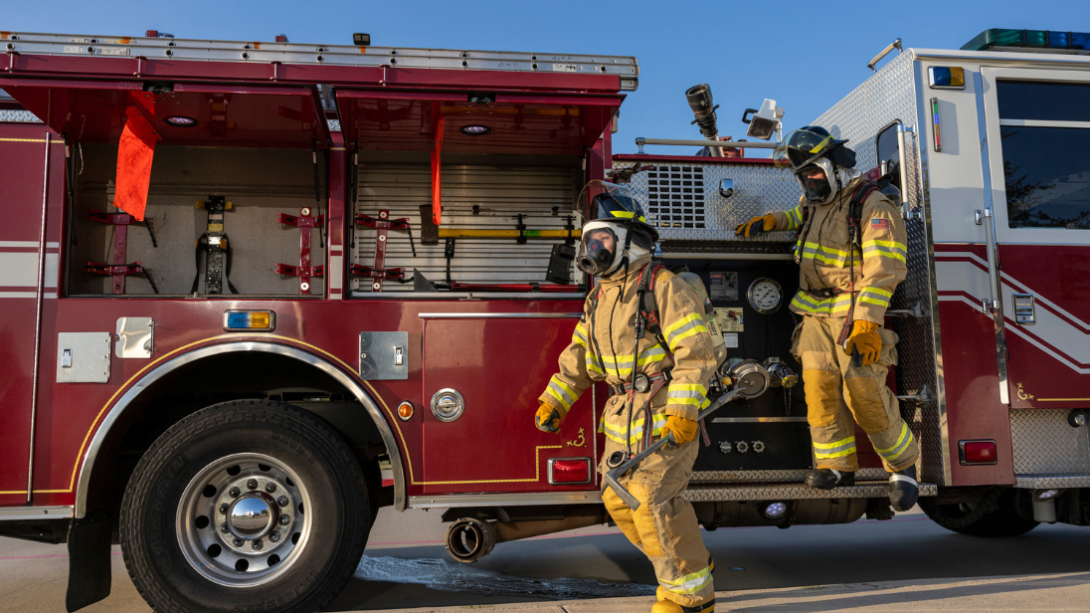
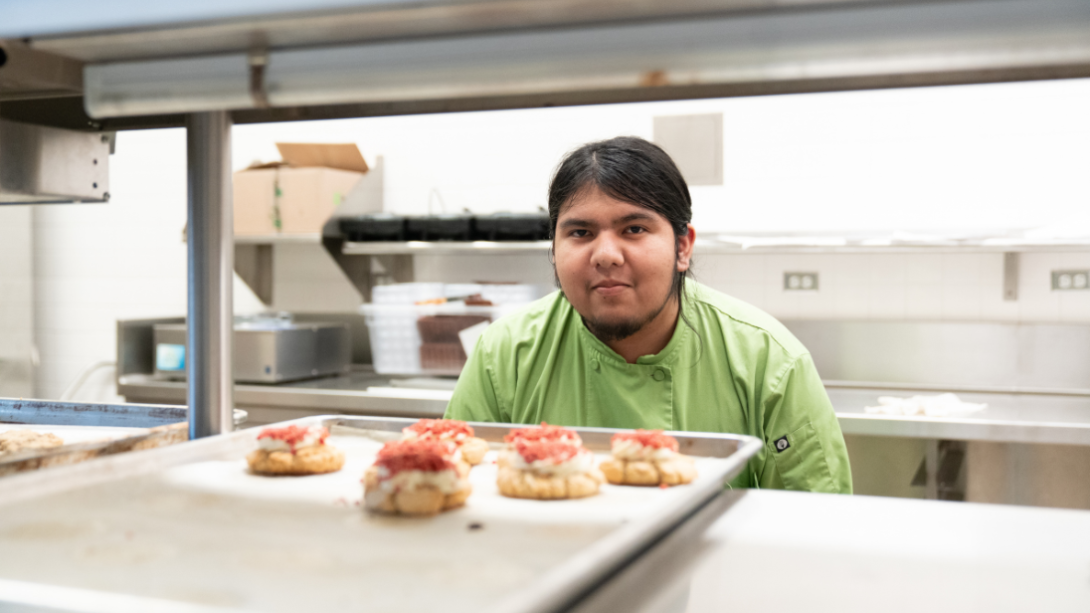
Center Principal Brandy Schneider said the center recruits instructors from industry rather than only classroom teachers. A medical assistant leads medical assisting, for instance, along with electricians, chefs, and other trades professionals in additional programs.
“We are not looking for a certified teacher. I want someone who knows the job,” Schneider said.
Programs can lead to certifications and jobs for students
Garland ISD covers the cost of industry certification exams for students in programs at Gilbreath-Reed, Schneider said.
That means students leave high school with credentials such as medical assisting or EKG certification without paying test fees. She contrasted that with other medical assisting programs that can cost families thousands of dollars for similar training.
Hands-on labs help students figure out their goals
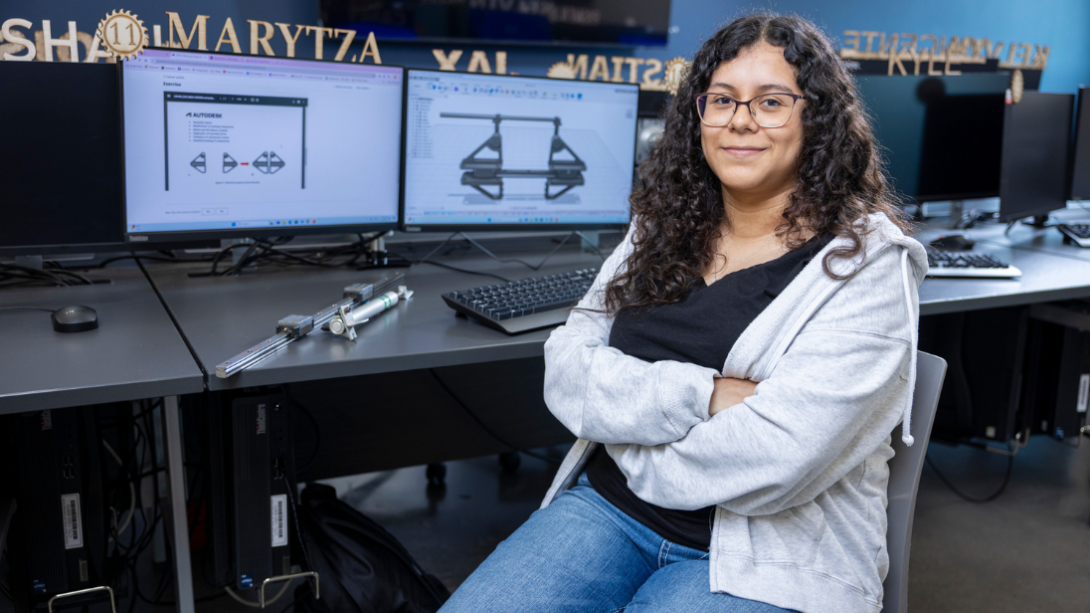
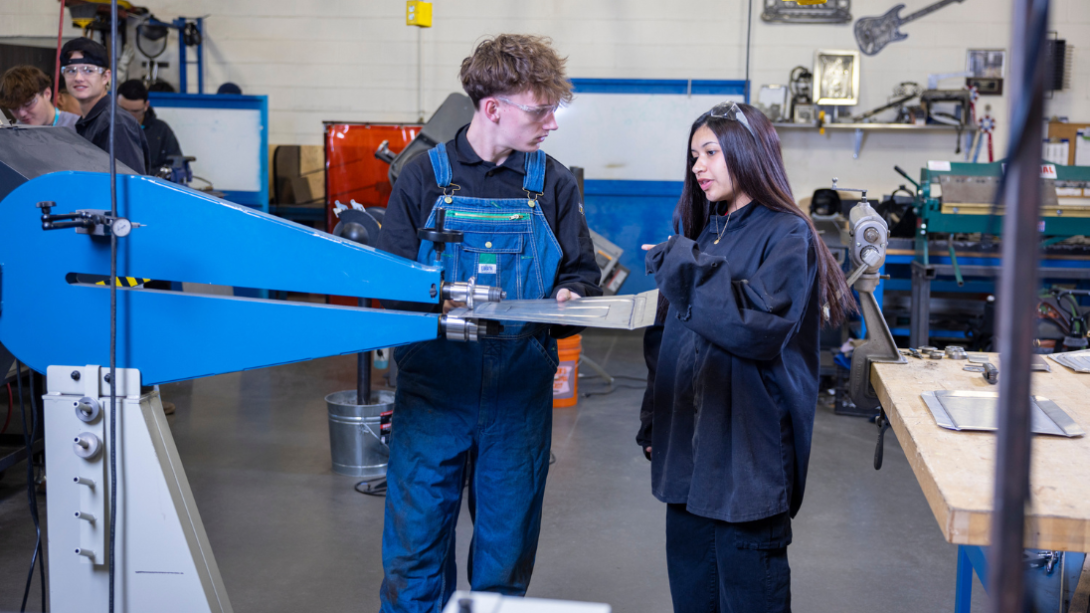
In the manufacturing and industrial robotics track, instructor Marcus Myers said students learn how gears, belts, pulleys, pneumatics, hydraulics, and machining work by building and troubleshooting real systems.
Some of Myers’ engineering and industrial robotics students are building a tour guide robot. They used a Raspberry Pi computer to program a face that reacts to sound and a screen that can translate speech picked up by a microphone into Spanish and Vietnamese, the two most common languages in Garland after English, he said.
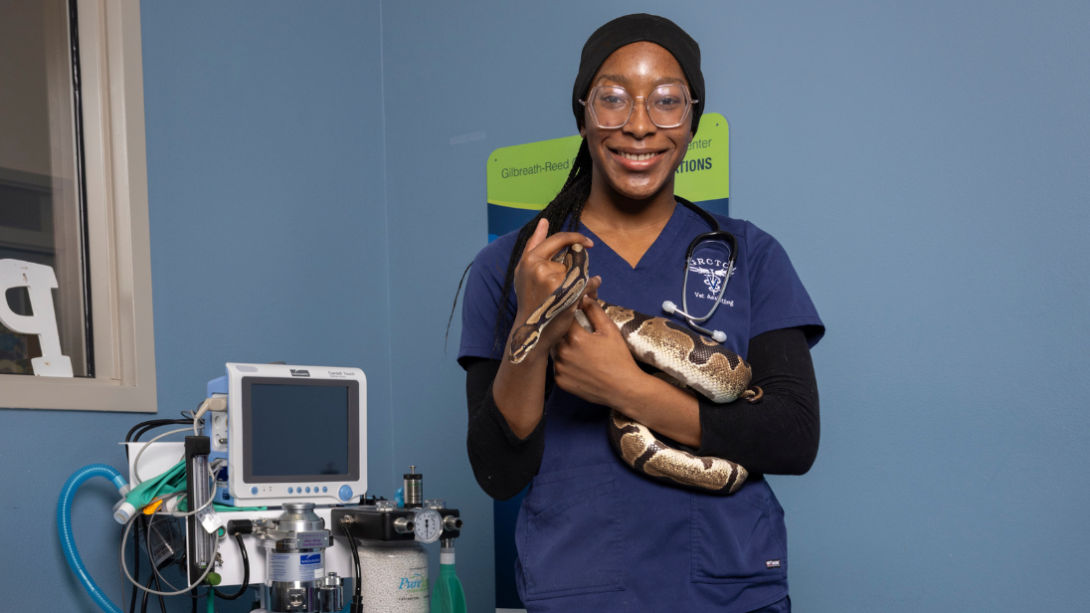
On the healthcare side, students use a $40,000 digital anatomy table that displays a virtual image of a real cadaver to study bones, nerves, and organs in layers.
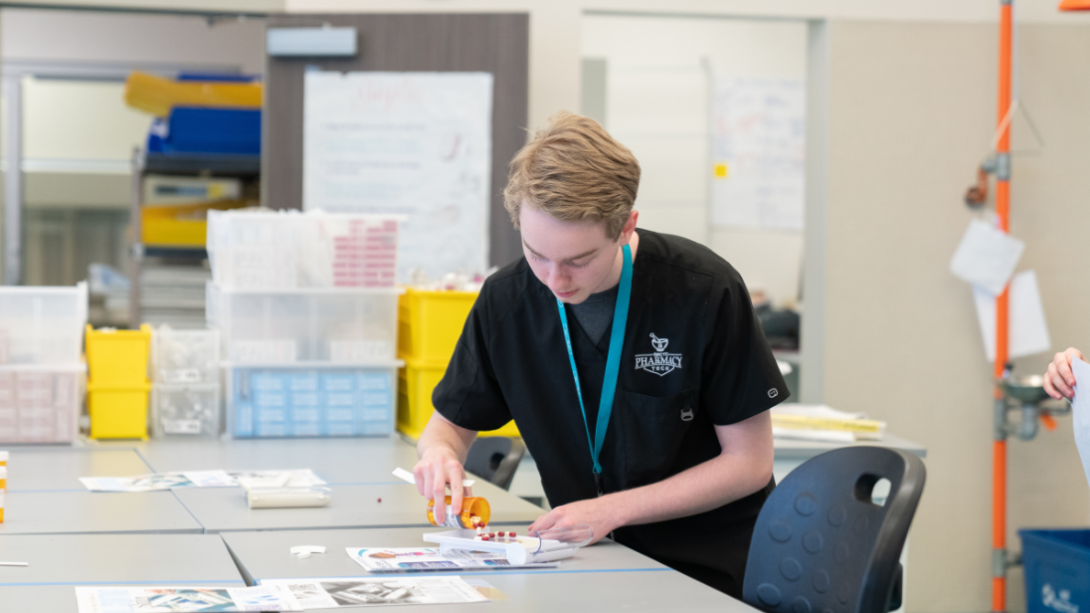
Pharmacy technician students practice compounding mock medications such as lip balms and creams. One student said learning drug information will help in many medical fields, even for those who do not plan to become pharmacists.
Career exploration saves on college costs
Zofia Lopez, a Rowlett High School junior, said she learned about the pharmacy technician program when she attended an open house as a freshman. The 16-year-old hopes to become a forensic pathologist, but she expects pharmacology to help her in future courses.
“For the GRCTC, I recommend it to everyone. You have so much more freedom and independence in this location compared to normal school, and it helps you feel more like an adult in prepping for college,” she said.
Garland High School alum Natalie Beltran, a dental hygienist, said her experience in the school’s EMT program helped her understand the medical field before she paid for college. Now her daughter is a sophomore who is considering a career in health care.
“They come out with certifications, they come out with licenses, and just figure things out before they get out into the real world,” Beltran said, adding that dual credit and local scholarship programs can further cut the cost of college for students.
Garland ISD is tying training to employers and future jobs
Schneider said the center regularly consults business and industry partners about what they are not seeing in job applicants.
Industry input helps the center mirror real workplaces, including the soft skills employers say are missing among job applicants, she said. That includes basic phone etiquette, writing, professional dress, and openness to feedback.
The center ties those expectations directly to coursework, Schneider said. Students also receive grades for employability skills, including punctuality, whether they put their phones away during class, and how they speak to classmates, teachers, and visitors.
Myers said students from his pathway have moved into jobs with companies such as Kraft and SpaceX, for instance.
Future center projects
Schneider said Garland ISD is preparing for a bond-funded expansion of the center that would add five new programs and more room for students.
Until then, the district is organizing job events, including a job fair in March. It’s also planning a CTE signing day for students headed to technical colleges or straight into jobs, where they stand alongside employers for photos, like in athletic signing ceremonies.